
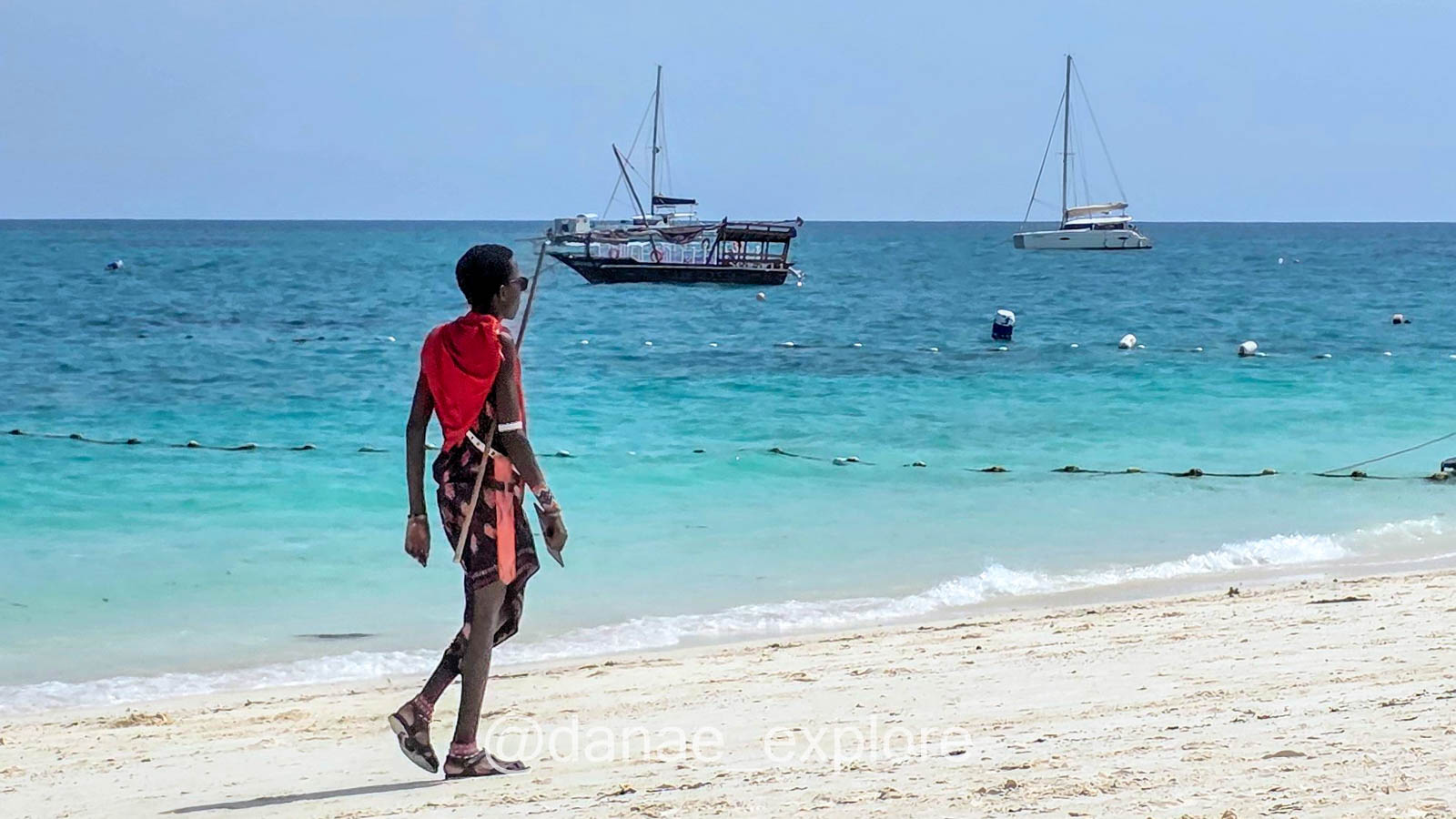
Ah Zanzibar! The tropical island of turquoise beaches and centuries of history. A paradise in the Indian Ocean that I never imagined, in my wildest youthful dreams, I would one day visit. Well, we made the long-awaited Serengeti safari happen. Since we were so close, why not take a dip in the surreal waters of Zanzibar?
Zanzibar was the perfect ending to one of the most epic trips of recent times: a place to relax, immerse yourself in the culture, and fall in love with the unique blend of Africa and Arabia. I thought it would just be a few days of rest, but it turned out to be one of the most remarkable destinations I’ve ever visited.
And here’s the thing: Zanzibar isn’t just about beaches. Stone Town holds centuries of history, the aromas of spices that recall ancient trade routes, narrow streets where different worlds meet, tropical forests, and flooded caves.
So let’s go! I put together this Zanzibar itinerary to share everything you need to know to explore one of the most fascinating islands on our planet: how to get there, where to stay, what to do, how to get around, the best time to go, and plenty of useful tips to help you plan your trip and experience this side of Africa that will surprise you.
First of all, follow me on Instagram @danae_explore – that’s where you can keep up with my trips, find lots of travel tips, and send me a DM anytime. I love chatting about travel!
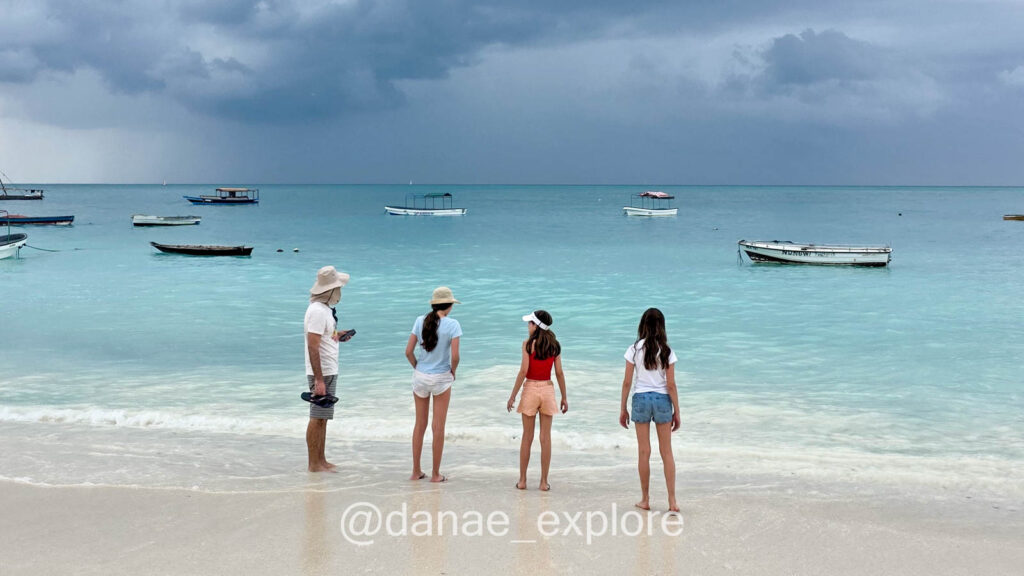
Zanzibar: where history, spices and idyllic beaches meet
Zanzibar is an archipelago in the Indian Ocean, off the coast of East Africa, very close to the equator.
It is an autonomous region that joined Tanganyika in 1964, forming the current United Republic of Tanzania, or simply Tanzania. Zanzibar has its own government and president, but its citizens also vote to elect the president of Tanzania (though not the opposite).
The Zanzibar archipelago is made up of two main islands: Unguja (usually called Zanzibar) and Pemba. Unguja is the most visited by tourists and the island where we spent eight days during our trip through Kenya and Tanzania.
The population of Zanzibar is almost entirely Muslim, while in mainland Tanzania Muslims represent about 10% of the population.

.
How to get to Zanzibar
Being an island, you can reach Zanzibar either by plane or ferry.
Abeid Amani Karume Airport (code ZNZ) is located near Stone Town and receives flights from several destinations in Africa, Europe, and the Middle East.
After our Serengeti safari, we flew from Arusha (airport code ARK) to Zanzibar with Air Tanzania. Kilimanjaro Airport (code JRO), about 1–1.5 hours from Arusha, also has direct flights to Zanzibar.
By boat, the easiest way to get to Zanzibar is by ferry from Dar es Salaam, the capital of Tanzania. Several companies operate from the city’s ferry terminals. The trip takes about one and a half to two hours, depending on the vessel, with multiple departures throughout the day. Companies running this route include Zan Fast Ferries and Azam Marine Ferries.
.
When to go to Zanzibar
Zanzibar is one of those destinations you can visit at any time of the year — as I always say, the best time is whenever you can go!
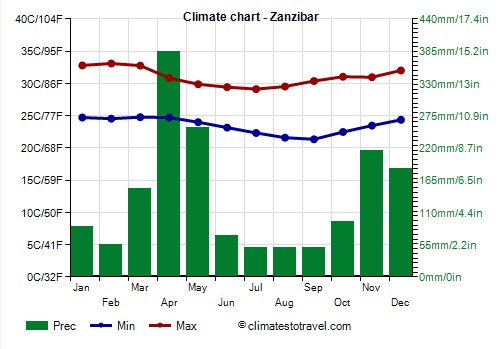
That said, it’s helpful to know that the rainy season in Zanzibar runs from March to May, and again in November and December (see the chart above). Generally, these are short showers that don’t interfere much with travel plans.
If you want to enjoy the beaches, the best time to visit is during the dry season, from June to October. This period also coincides with the dry season on mainland Tanzania, making it ideal for combining with a safari. January and February also tend to be dry, with plenty of sunny beach days.
Temperatures stay high year-round, ranging from 22ºC to 34ºC, with the hottest months between December and March.
We visited Zanzibar in July and had great weather! The days were warm but not overly hot, and evenings brought a pleasant breeze. A few days were cloudy — I thought it would rain, but the darker skies only made the photos more dramatic.
.
How long to stay in Zanzibar
Zanzibar is a large island with many attractions and places to explore. The more time you have, the better: Zanzibar is a destination that invites slow travel, to experience its rich history and stunning landscapes at your own pace. But realistically, we don’t always have all the time (and money) we’d like, so we need to be pragmatic when planning an itinerary.
If you are staying up to 3 days in Zanzibar, I recommend staying in Stone Town. Visiting the old city is essential to understand the island’s history and importance. From there, you can take day trips to beaches such as Nakupenda or Paje, and also explore the island’s interior — I recommend tours to the Jozani Forest, local caves and spice farms.
.
With 4 to 7 days in Zanzibar, my suggestion is to stay 2 or 3 nights in Stone Town: one day to explore the city (we did this tour), another to visit Prison Island and Nakupenda, and, if you like, a third day for Jozani Forest and a Spice Farm. The remaining days should be for enjoying the turquoise waters of the north, in Kendwa or Nungwi (below are our accommodation suggestions). In the end, it’s up to you how long to spend on these beaches — I know people who could easily stay there for weeks!
If you have a week or more in Zanzibar, you can divide your stay into three bases: a few days in Stone Town, a few in the north (I recommend Kendwa and Nungwi), and other days on the east coast. We stayed eight days in Zanzibar and, besides Stone Town and the northern beaches, we went to Bwejuu, near Paje, but I wasn’t very fond of the beach there. Other travelers recommended Jambiani as a more interesting option.
.
.
Where to stay in Zanzibar
Where to stay in Stone Town
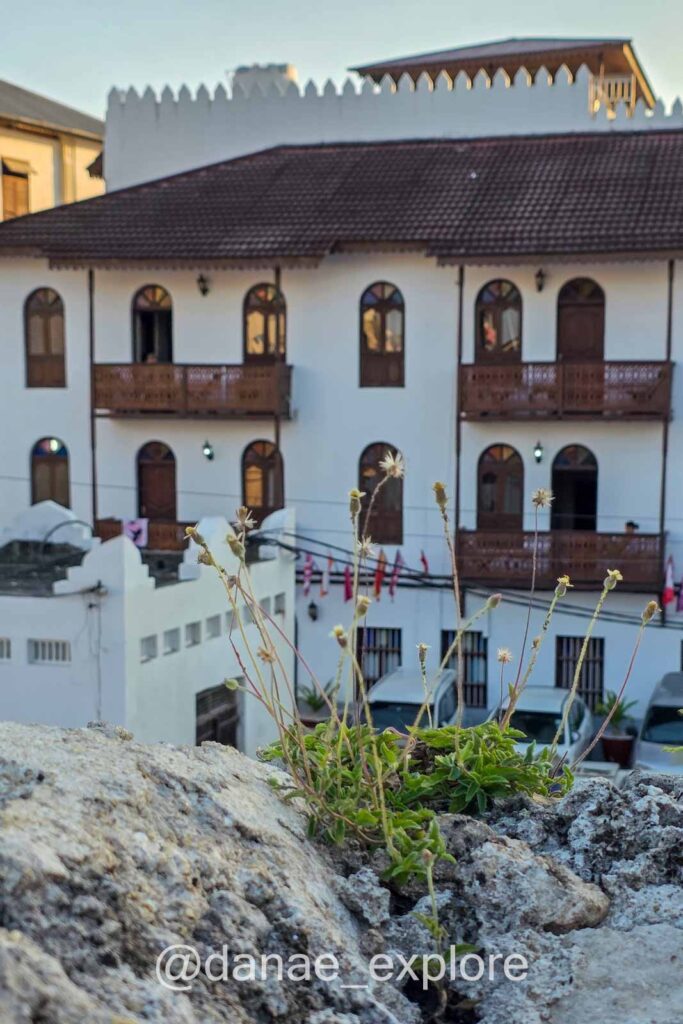
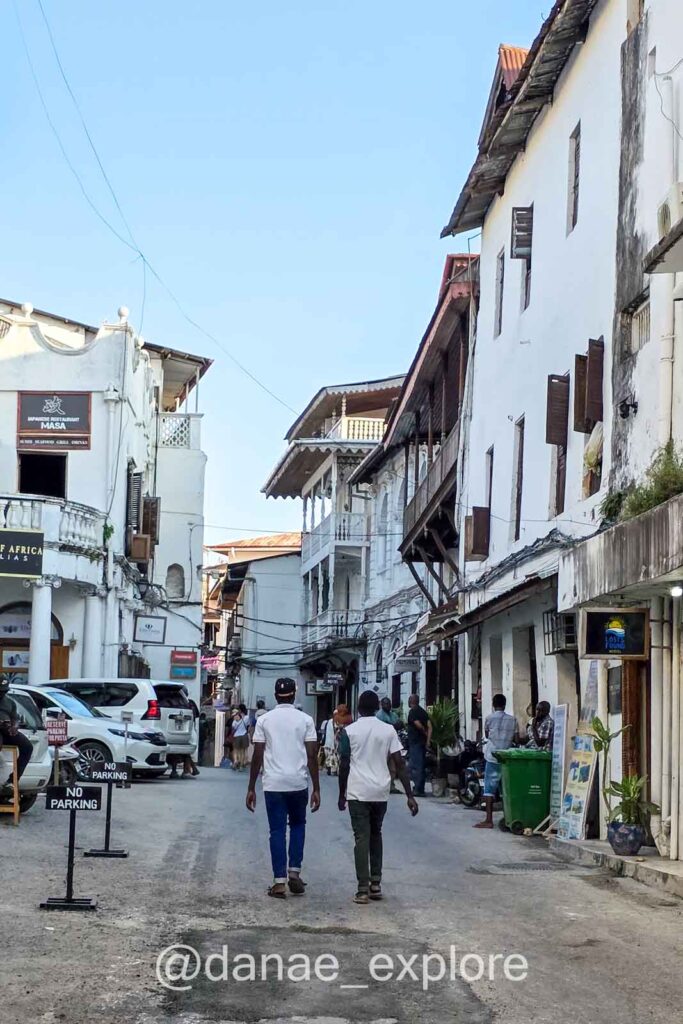
Stone Town, the main town on the island of Zanzibar, is definitely worth a visit.
After our Serengeti safari, we tried to stick to our budget during our days in Zanzibar and looked for the best value for money in Stone Town. If you’re looking for this balance, check out the Hotel Aurelia Zanzibar. Located on the edge of the old city (not the most picturesque part), the hotel is simple but comfortable. Hassan, the front desk manager, was extremely helpful and assisted us with everything we needed — especially by introducing us to Salim (WhatsApp: +255 773 292 930), a great driver who took us all around the island. Just keep in mind that the hotel has rooms spread over three floors and no elevator.
Other accommodations I had selected in Stone Town include Maru Maru Hotel and Golden Tulip Stone Town.
Among the best options in the old city are Tembo House Hotel and Mizingani Seafront Hotel. For bigger budgets, I recommend the Zanzibar Serena Hotel and the Neela Boutique Hotel.
.
.
Where to stay in Nungwi
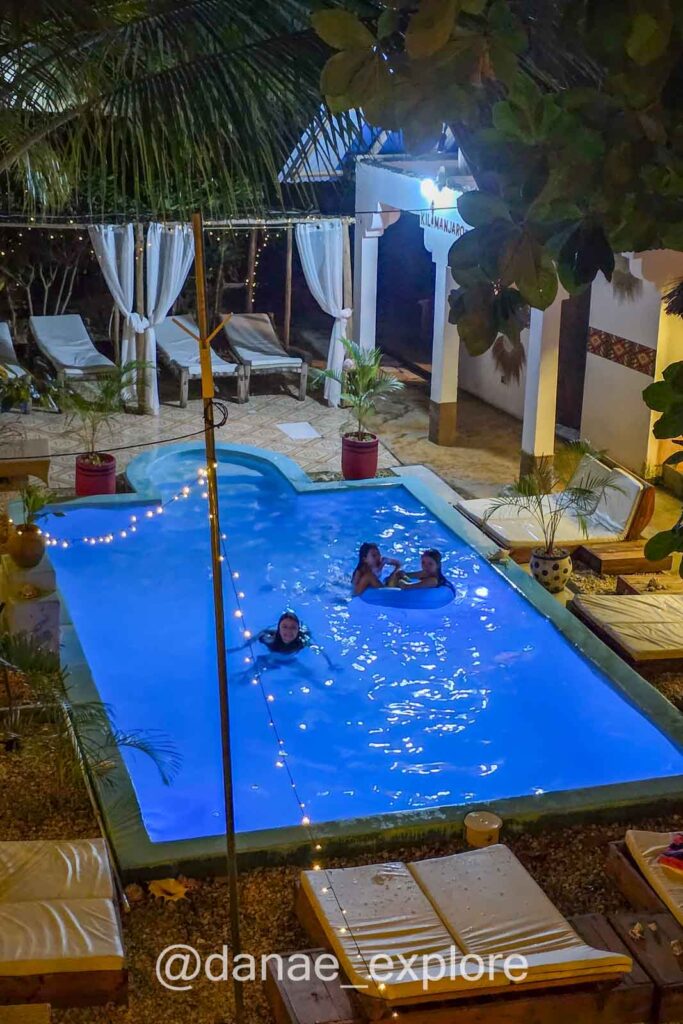
From Stone Town we went with our driver Salim to the north of Zanzibar and stayed at Nungwi Beach, at the Hotel Kilimanjaro. The hotel has a small but pleasant pool, which was a delight for the kids, and the rooms are spacious with simple decor and even simpler bathrooms. Breakfast, served individually, was excellent, with daily variations. The Wi-Fi was quite unreliable, as is common on the island.
Although the Hotel Kilimanjaro is close to the beach and has some restaurants nearby, the town center of Nungwi and the main beaches were about a 15–20 minute walk away. Being across from the aquarium also meant heavy harassment from vendors in the area. That’s another thing that happens a lot in Zanzibar: persistent and annoying vendors (I actually found the hassle worse than in Morocco). Go prepared.
Other options in the Nungwi area that I had pre-selected were Ocean View Boutique Nungwi, Diacarisma Boutique Resort Nungwi and Chikachika Beach B&B. This last one is very close to our hotel, and we went there for dinner twice — we loved it (the restaurant is called Café Dodoki).
There are also several high-end beachfront resorts (many with private beaches), and if your budget allows, I highly recommend them. As we walked along the beach, we passed Turaco Nungwi Resort, Veraclub Sunset Beach and My Blue Hotel — each one more spectacular than the last!
.
.
Where to stay in Paje & Bwejuu
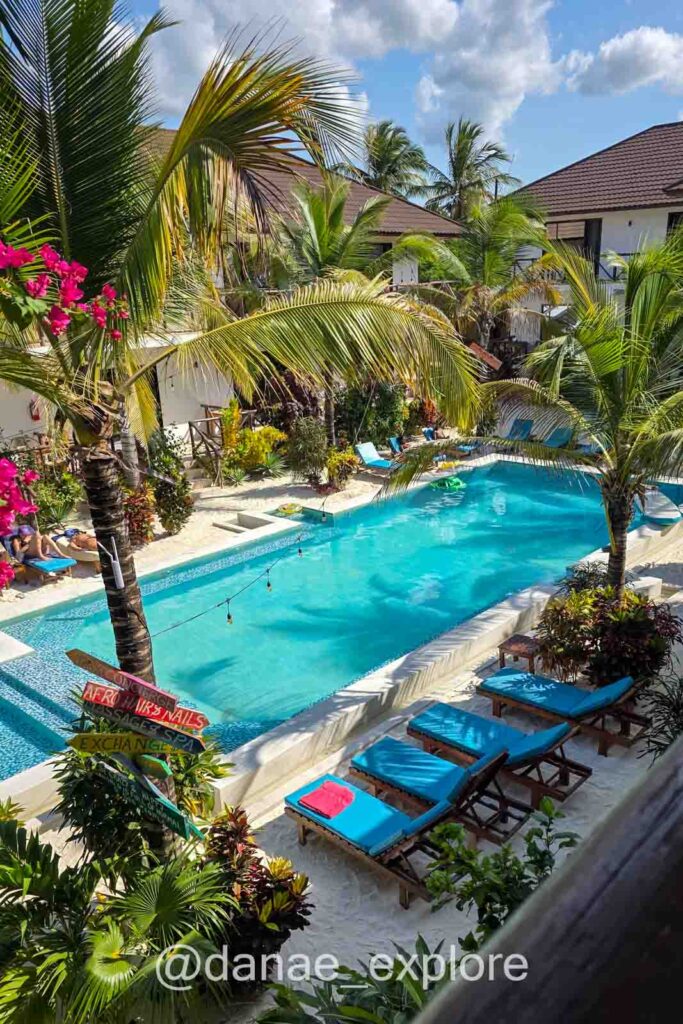
We chose a very comfortable hotel in Bwejuu for our last days in Zanzibar. Sand Beach Boutique Hotel was, without a doubt, the best hotel of our trip. If you want to spend a few days relaxing by the pool, with good room service and a delicious on-site restaurant, this is a great choice.
While in the area, we walked along the beach one day to have lunch at The African Paradise Beach Hotel. Besides the excellent food and service, the beach there was cleaner compared to the stretch near our hotel. Between the two, I would choose African Paradise.
Another restaurant we tried, which also looked like a great accommodation option in this area, was Kijani Beach Villas, with beautiful chalets facing the sea.
A friend who visited this part of Zanzibar at the same time told us that the beaches south of Paje are better. We didn’t go there ourselves, so I can’t confirm, but she stayed in Jambiani at New Teddy’s on the Beach and enjoyed it. The hotel itself seems simpler than the Sand Beach Boutique Hotel, but the beach looked nicer — so it’s really up to you to decide.
.
Getting around Zanzibar
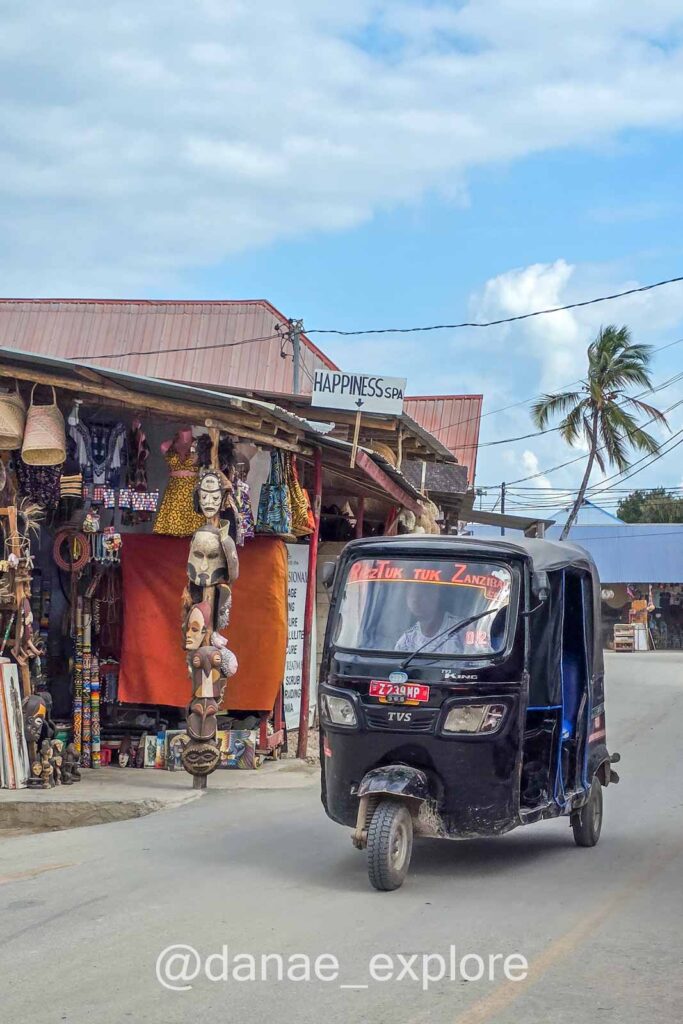
If you’re looking for comfort, don’t count on public transportation in Zanzibar. Dala-dalas are the locals’ usual way of getting around: pickup trucks adapted to carry passengers with wooden benches in the back. If you’re in the mood for a bit of adventure, go for it — it will certainly give you a good story to tell.
The best options for getting around the island are renting a car or making use of guided tours, taxis and tuk-tuks.
Renting a car is a great option if you want flexibility and autonomy. There’s nothing like having your own wheels to explore the island’s many beaches. However, in Stone Town a car will only bring headaches and parking expenses — everything in the city is easily done on foot.
.
To rent a car, I always use RentCars, where I usually find the best options, and with the DANAE promo code you still get an additional 5% off. Shall we go?
Before you book your vehicle, it’s important to know that in Zanzibar you drive on the left-hand side, unlike the USA or continental Europe. It’s not rocket science, but it does require a bit of courage and some time to adjust — in this post with our South Africa tips I talk about our experience of driving on the left.
Another factor to consider before deciding to rent a car is that traffic in Zanzibar is chaotic. Roads are often unmarked, people and animals roam freely, asphalt is uneven, and there are police checkpoints with officers of questionable conduct. In short, driving is for those with a free spirit and a good dose of flexibility.
For this reason — and also because we wanted a bit of rest after the intense safari days — we opted for the convenience of booking tours and having someone drive us. I recommend Salim (WhatsApp: +255 773 292 930), a very nice and reliable driver who took us from one hotel to another during our stay in Zanzibar.
.
.
What to do in Zanzibar
What to do in Stone Town
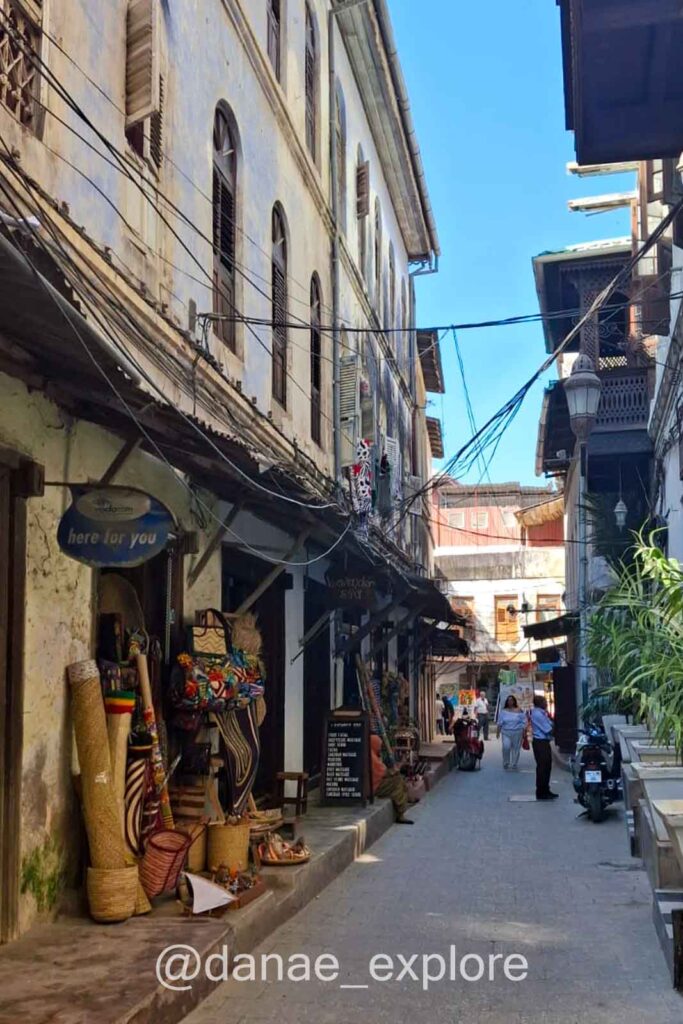
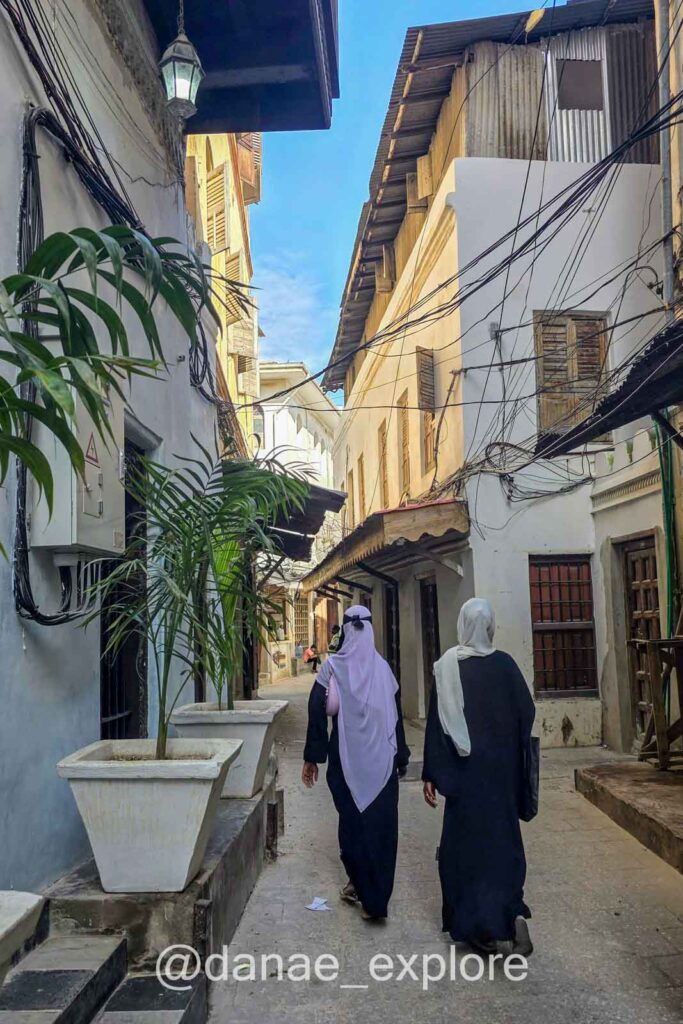
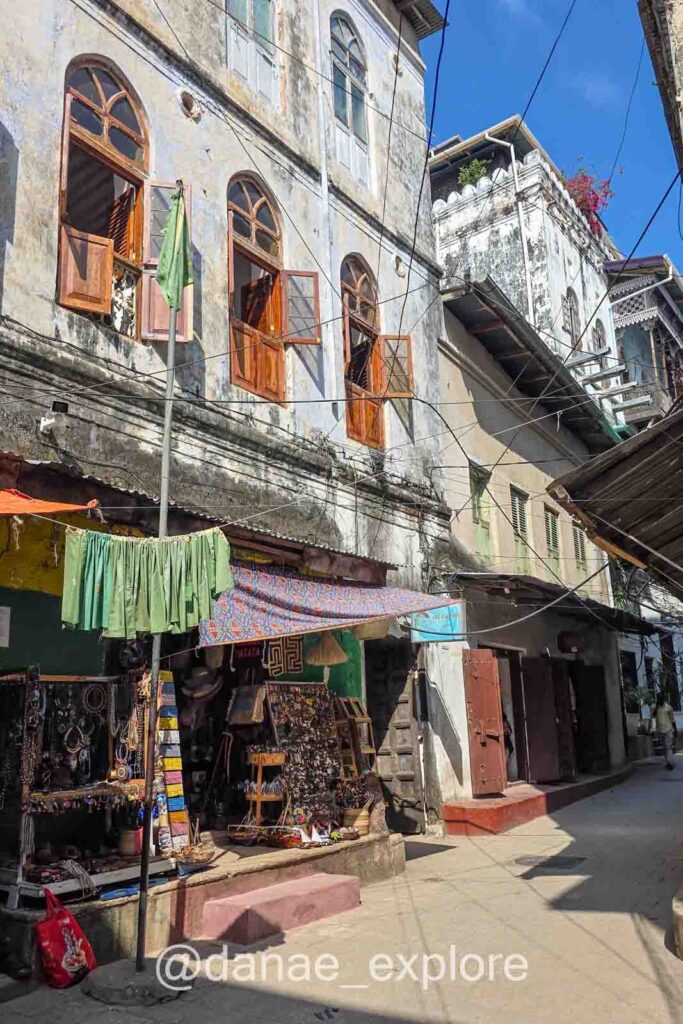
Stone Town was once the capital of the Sultanate of Zanzibar, for centuries one of the most important cities on the spice route, and it also played a significant role in the slave trade of the 18th and 19th centuries. The city was shaped by Swahili culture, Arab influence (especially from the Sultanate of Oman), as well as Indian, Persian, and European elements — in short, a true melting pot of cultures that blended together to create a unique and incredibly rich microcosm.
It is this history that makes its narrow streets and stone buildings — which seem to bear the weight of centuries — so fascinating today. The historic center is a UNESCO World Heritage Site. Set aside a full day to explore it.
Walking tour through the streets of Stone Town
We joined a Stone Town walking tour with the guide Mau, a really nice guy with a deep knowledge of the city’s history. I highly recommend taking a guided tour to truly understand the origins of Stone Town and the many influences that shaped what we see today.
We started our day at the Daranjani Market, one of those places where everything happens: fruit stalls, fish and seafood auctions, live and slaughtered birds, spices, all sorts of foods — a chaotic profusion of smells and colors typical of street markets around the world.
From there, we went on to the former slave market and to the house where Freddie Mercury lived. I’ll comment on each of these in detail below.
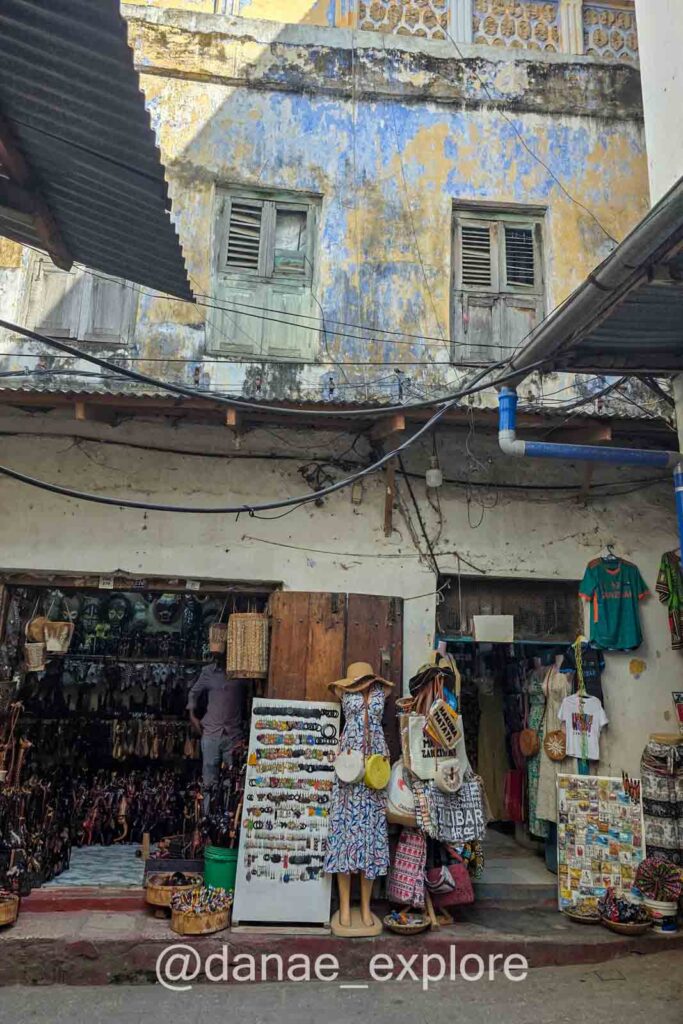
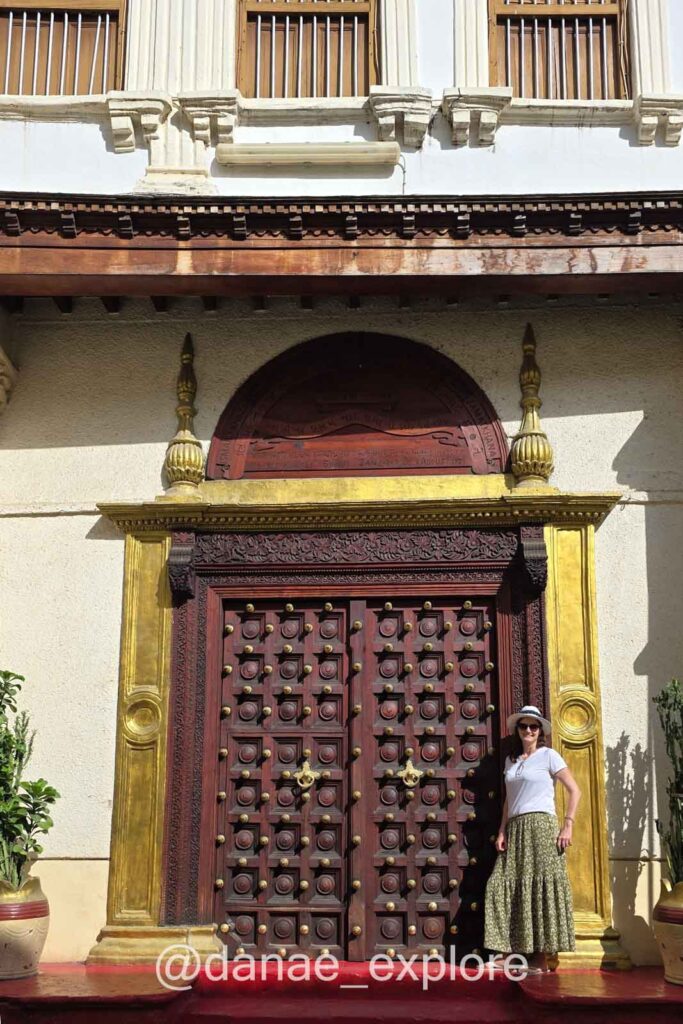
But the best part of Stone Town is simply to wander aimlessly through the alleys, discovering ornate doors, little shops, and hidden cafés inside buildings that, elsewhere, would probably have been demolished long ago.
We passed mosques, Hindu temples, Catholic and Anglican churches, and the famous “Jaws Corner”, where our guide was essential in explaining the importance of this seemingly ordinary meeting spot. We also visited the Old Fort — with walls made of coral! — and learned about the history of the House of Wonders. We strolled along the seafront and through Forodhani Square, which comes alive at dusk with food stalls and where you can watch the best sunset in Stone Town.
Another curious fact: right on the edge of Stone Town, the shortest war in history took place. On August 27, 1896, the United Kingdom demanded that the new Sultan of Zanzibar abdicate. When he refused, the British navy opened fire on the Sultan’s palace. The battle lasted only 38 minutes, killing hundreds, forcing the Sultan to flee, and resulting in Zanzibar’s autonomy being lost as it was annexed by the British Empire.
.
.
Stone Town Slave Market
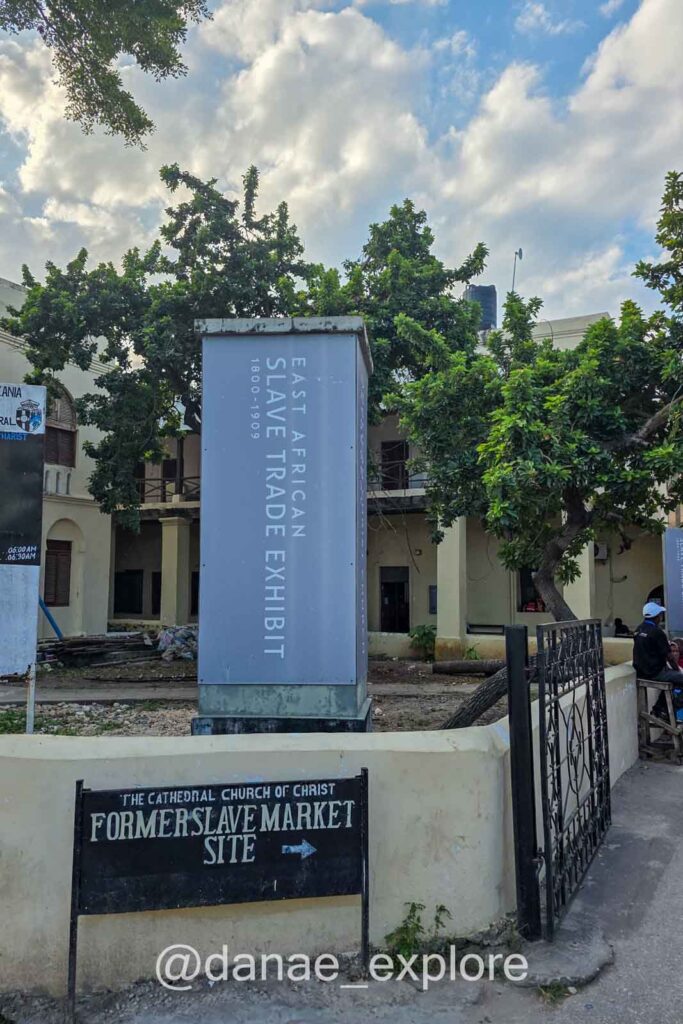
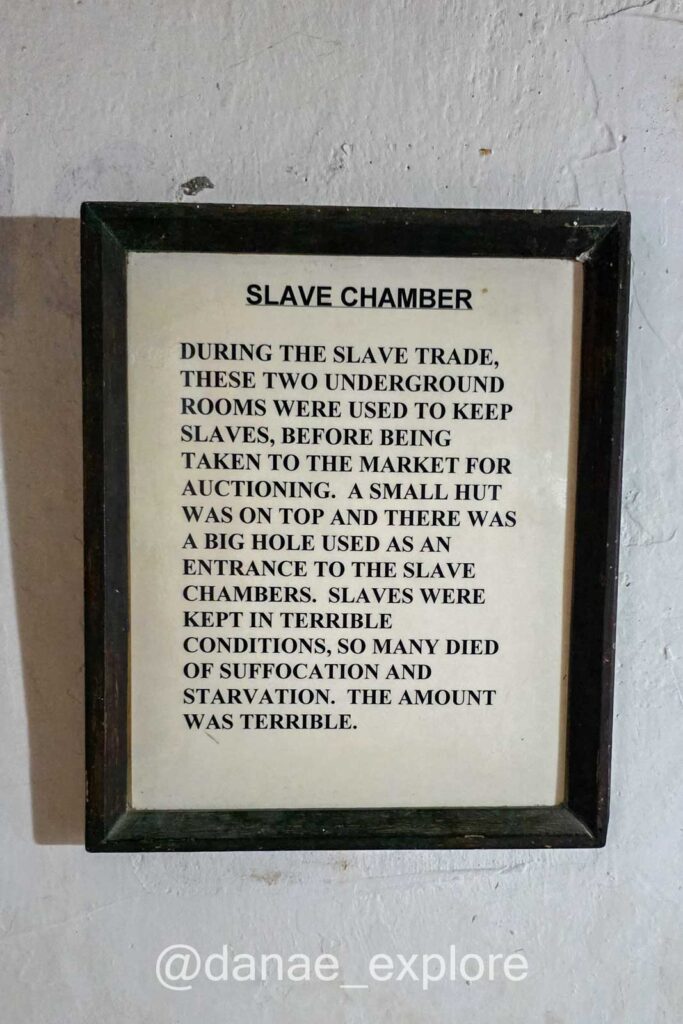
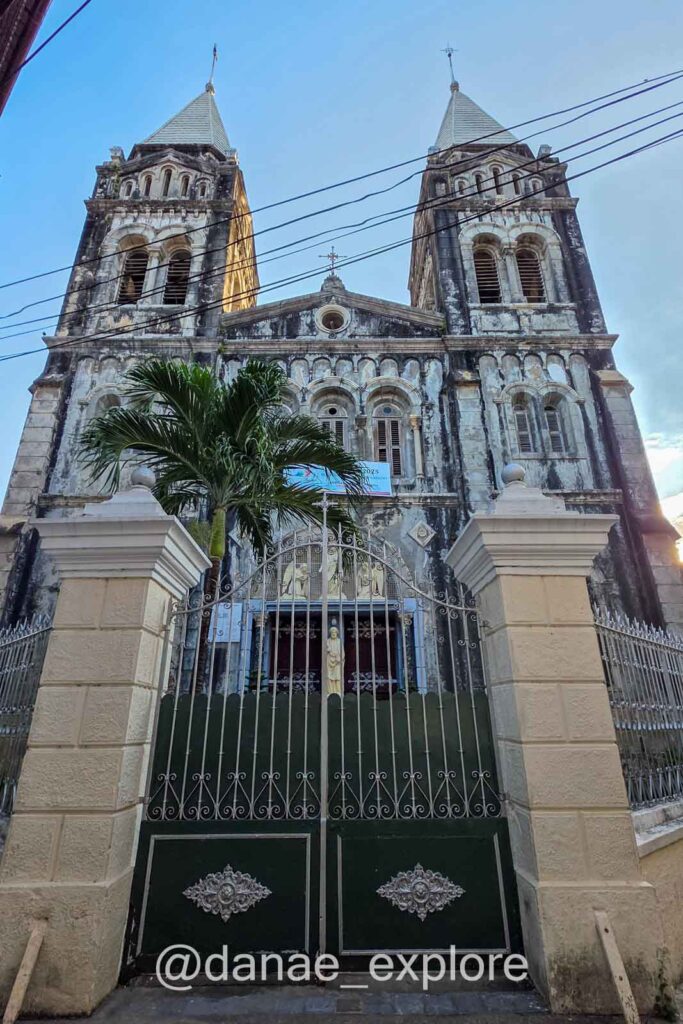
On our Stone Town walking tour, one of the stops was the Anglican Cathedral, built on the site of the former slave market. This was a market where human beings were sold as merchandise, which operated until 1909. There are panels explaining the slave trade, and you can also visit the cells where those who survived the long and brutal journey from the continent’s interior were kept while they awaited sale.
Is this a child-friendly visit? There is no minimum age limit for the Zanzibar Slave Market.
Anyone who follows the blog or my Instagram already knows: I believe that a child’s place is everywhere. We’ve taken our daughters to museums and memorials that recall difficult moments in history, such as the Hiroshima Peace Memorial and the Tunnel of Hope in Sarajevo.
I believe children can, and should, be exposed to these facets of history. Visiting a slave market is a much stronger experience than reading about it in a book. The important thing is to prepare them: talk beforehand about what they’ll see, using language that makes sense for their age, and be open to their questions — many interesting ones will surely come up. This helps children build an understanding of the past and, hopefully, encourages them to act so it never happens again.
.
.
Freddie Mercury’s House
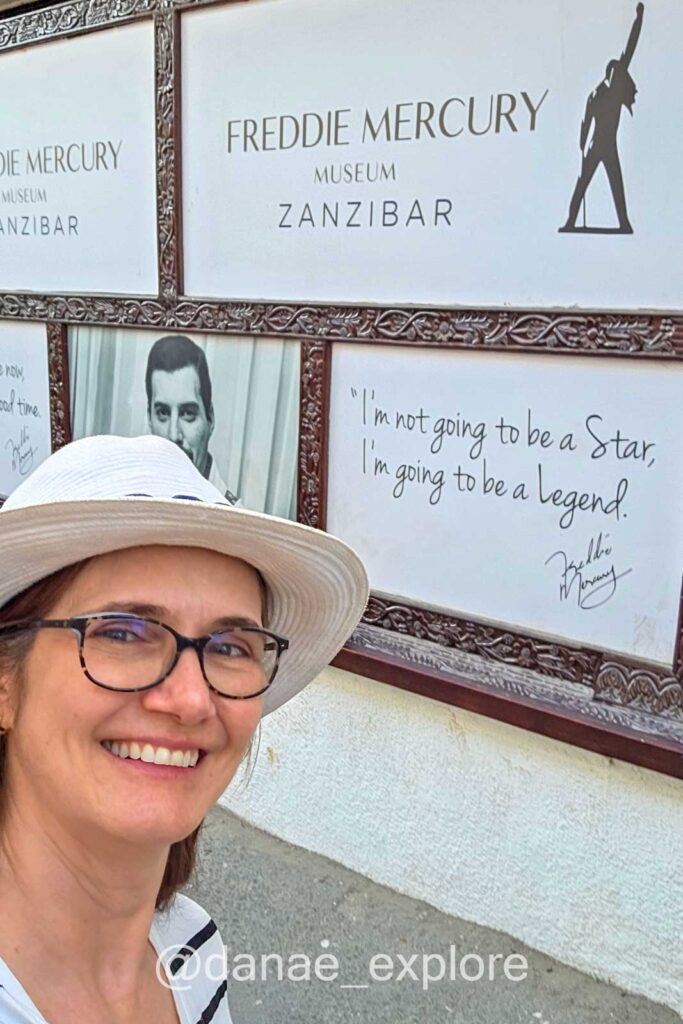
One of the most unlikely sights in Stone Town is a tribute to one of the greatest artists of all time, the brilliant and incomparable Freddie Mercury (can you tell I’m a fan?).
Born Farrokh Bulsara on September 5, 1946, Freddie Mercury was the son of Indian parents of Persian descent and lived in Stone Town until the age of eight, when Tanzania was still a British colony. I imagine this cultural melting pot contributed to his extraordinary legacy. Today, the site houses a small museum with family photos and memorabilia, manuscripts, and other items that belonged to the singer. It’s said to be very interesting for fans, but we decided not to go in, preferring instead to keep wandering Stone Town’s narrow streets.
.
.
Tour to Nakupenda Sandbank and Prison Island
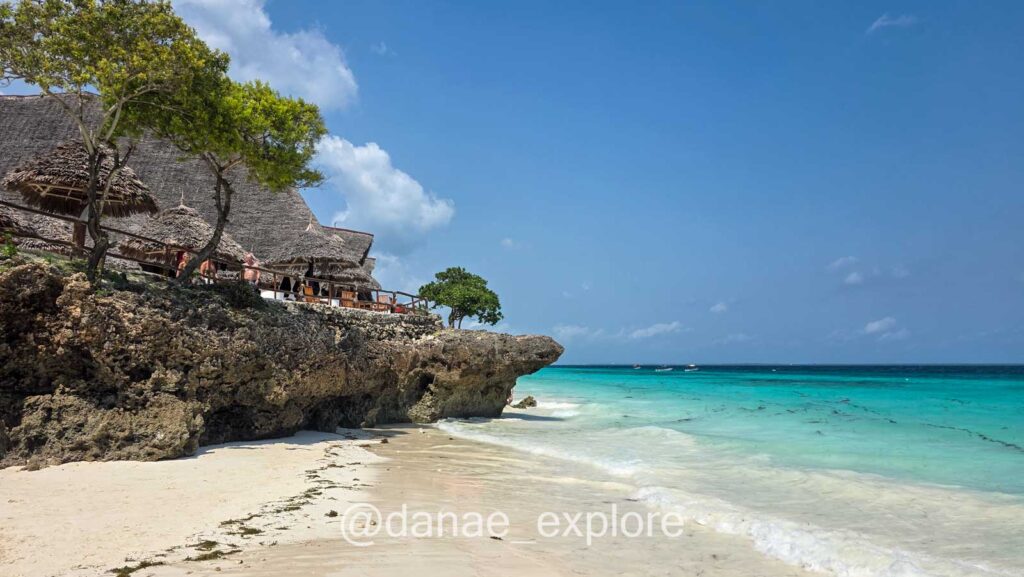
If there’s one thing I regret, it’s not taking this tour to Prison Island and Nakupenda Sandbank. Please don’t make the same mistake.
After six days of Serengeti safari, we were exhausted and wanted to rest — after all, that’s part of what brought us to Zanzibar. A full-day boat trip under the sun felt too tiring, and since we knew we’d have plenty of beach time in Nungwi and Paje, we figured it would be “more of the same.” So we skipped it and went straight to the northern beaches.
Result: we should have done this tour while we were staying in Stone Town (it’s so close!). That way we would have had one more night to enjoy the city, and in exchange, we could have cut one day from the east coast (an area I didn’t really enjoy — I’ll explain later). We would have made much better use of our time and joined a trip that I later realized is one of the best and most beautiful in Zanzibar.
One of the stops on the tour is Nakupenda, a sandbank with nearby snorkeling spots. Another stop is Prison Island, which, as the name suggests, was once used as a prison during the slave trade and is now home to a colony of giant tortoises brought from the Seychelles.
You can book this tour here, or through this other operator.
.
Northern beaches: Kendwa and Nungwi
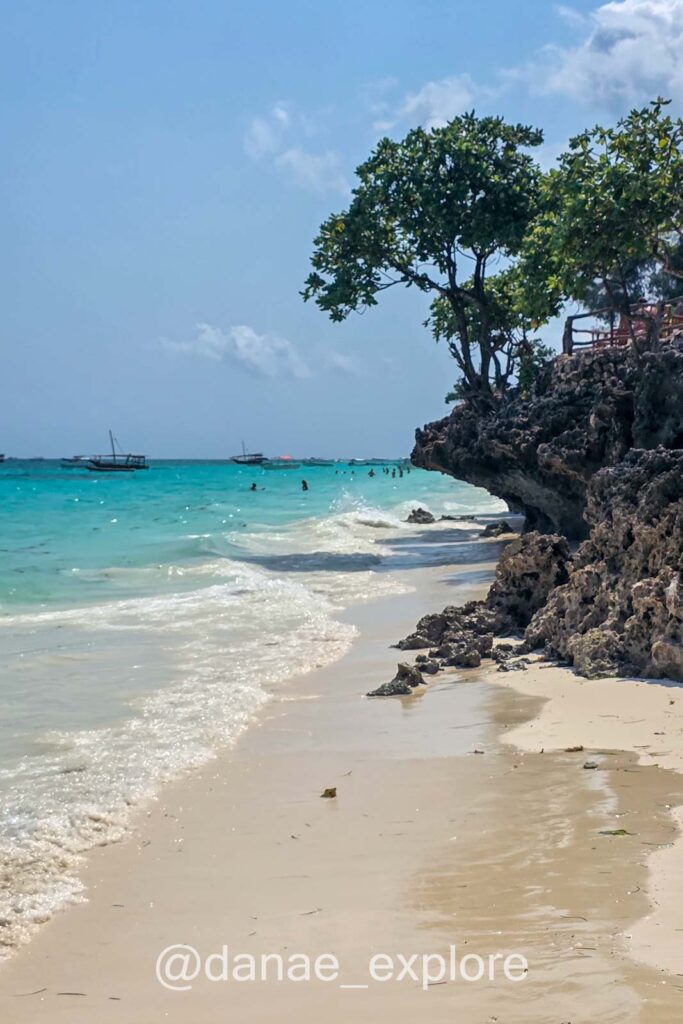
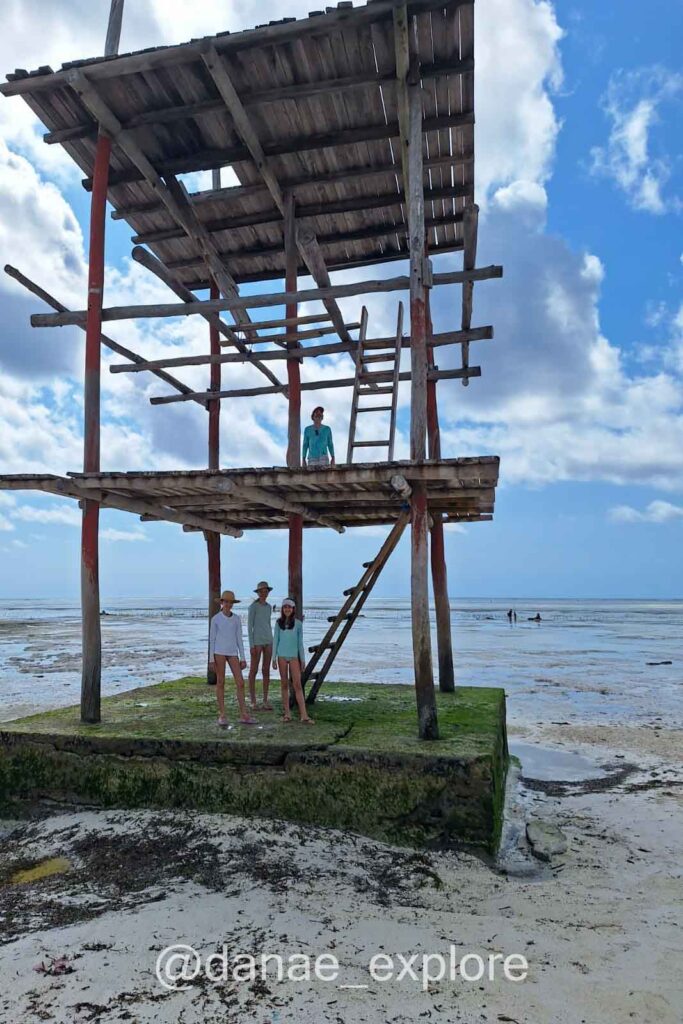
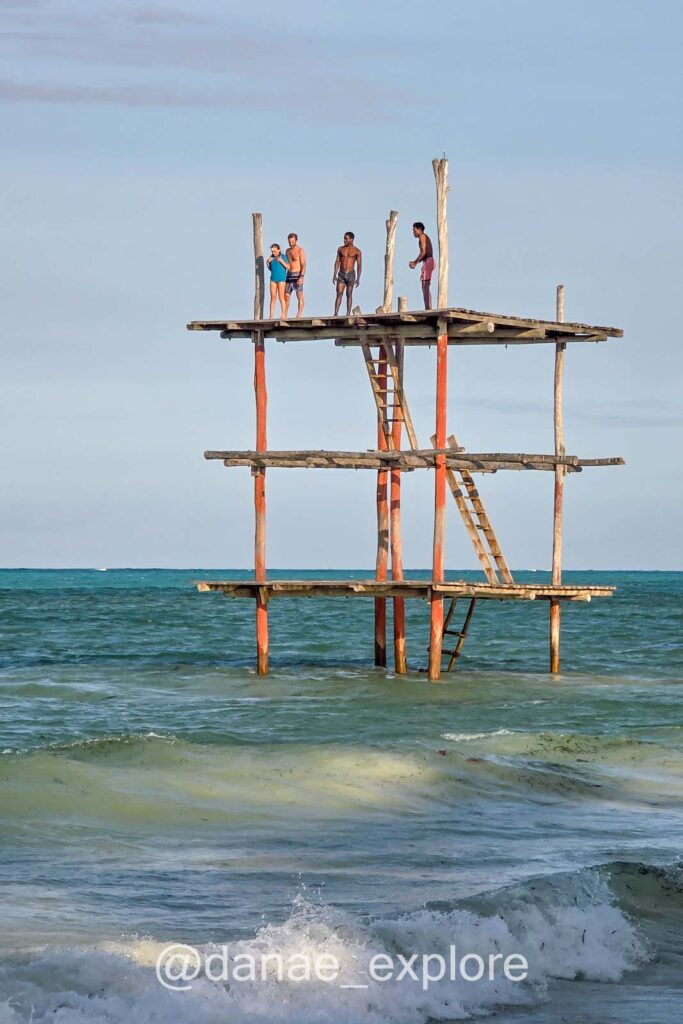
Imagine a paradise beach: fine white sand, turquoise waters, almost no waves, a few scattered rocks, trees, and palm trees. I’m convinced that the popular image of the “perfect beach” was inspired by the northern shores of Zanzibar.
Kendwa and Nungwi are the main beaches in the region, each more beautiful than the other. Kendwa has a wide stretch of sand, making it ideal for those who enjoy long walks along the beach. Nungwi, on the other hand, is shaped by rocky formations, creating several smaller coves and beaches.
Both are lined with high-end hotels, and in some areas the beaches feel “private” to the resorts, especially in Nungwi. You can access different stretches of beach by walking along the sand at low tide, but once the tide rises, the only way out is often through the hotels. And that’s exactly what happened to us! We arrived early, settled into a wonderful spot, and a few hours later, when we tried to leave, we realized we were “trapped.” The only way out was through the Veraclub Sunset Beach. We climbed the stairs leading up to the hotel, trying to look as confident as possible, only to be stopped immediately by a security guard and politely escorted to the exit.
Nungwi is the main village in the north of the island. Don’t expect anything fancy: it’s a simple village with sandy streets, souvenir shops, restaurants, dive centers, and small markets. It has the highest concentration of hotels and guesthouses in the region, and that’s where we stayed, at the Hotel Kilimanjaro.
Where to eat in Nungwi
The places we went to and enjoyed in Nungwi were:
Juvina Café: A simple and cozy spot. Mrs. Juvina is very friendly and welcoming and makes the best Nutella pancake. The cappuccino and fresh juices are also excellent. Don’t miss it — it was our favorite place in Nungwi.
MJ Café Nungwi: Good food, above-average service, and fair prices. To give you an idea, we had lunch there three out of the four days we stayed in Nungwi. The only downside is that they don’t sell beer, but you can buy it at the market and drink it there.
Fish Market Local Restaurant: With a sea view, tasty food, and reasonable prices.
Café Dodoki, located inside Chikachika Beach B&B: Since we were staying in that part of the village, we had dinner there twice. The food was great and the atmosphere pleasant.
Busara Local Restaurant: Right next to Café Dodoki. The food was good and the beer ice-cold, but the service was very slow.
Secret Garden Coffeeshop Nungwi: A nice spot with a relaxed atmosphere, away from the main street of the village. We went there on a day when Juvina was closed.
.
Eastern beaches: Jambiani, Paje, Bwejuu and Pingwe
The east coast of Zanzibar is one of the island’s most popular tourist areas, especially the village of Paje, which has the best infrastructure in the region. In reality, it’s one long stretch of beach that goes by many names, running from south to north: Jambiani, Paje, Bwejuu, Dongwe and Pingwe. We stayed in Bwejuu and walked along the sand toward both Paje and Dongwe.
This region is perfect for kitesurfing. There are several schools and equipment rental centers. But if, like us, you’re not into the sport, don’t worry: I found the wind manageable.
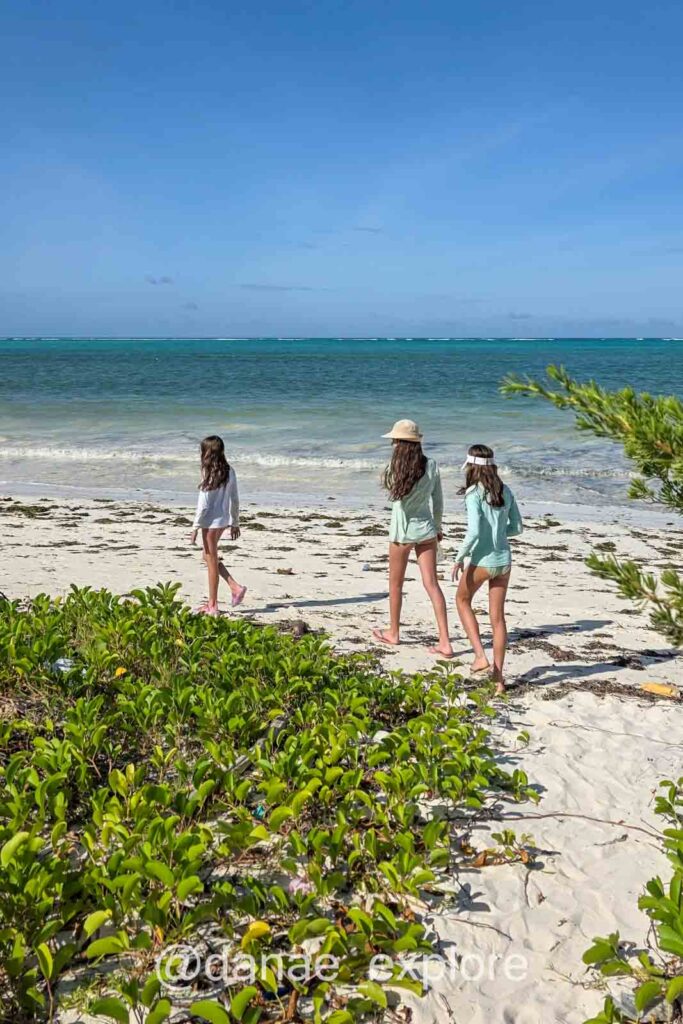
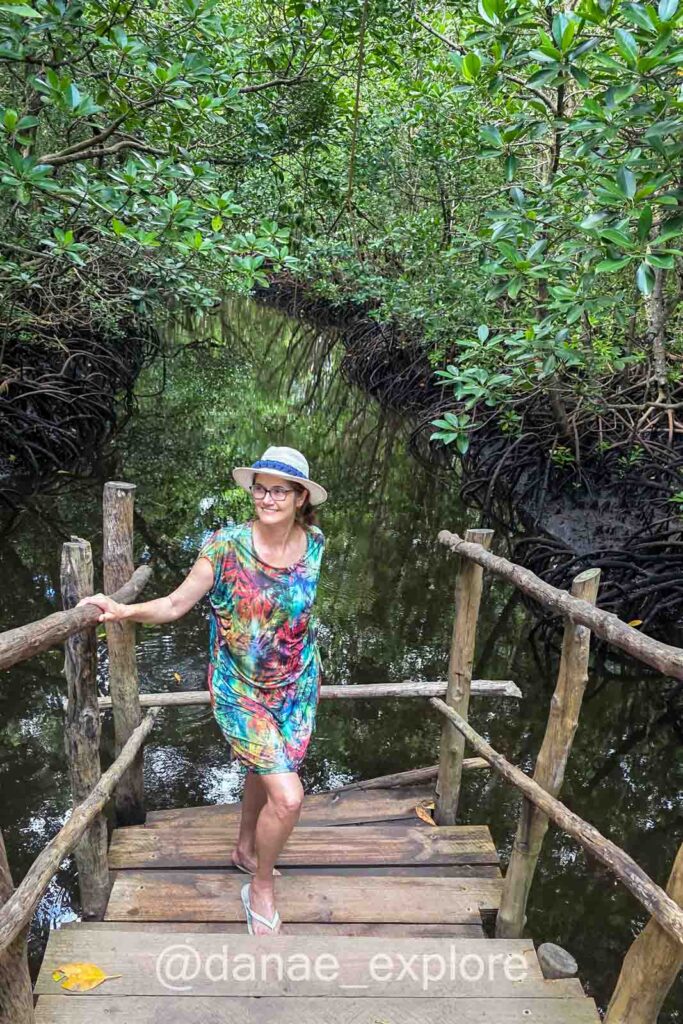
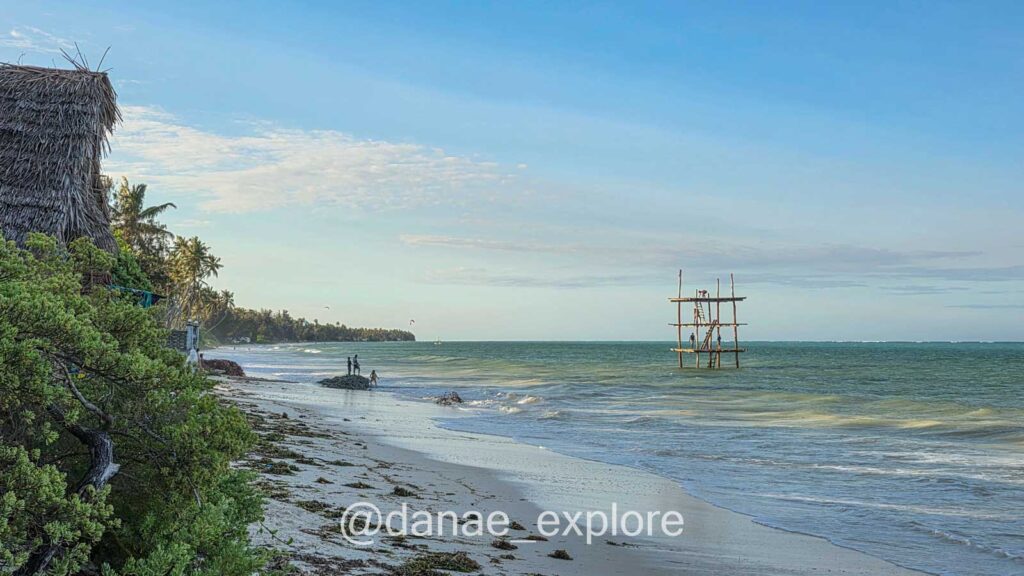
It’s very important to note that all beaches on Zanzibar’s east coast have an extreme tidal range. The sea retreats drastically at low tide and rises significantly at high tide. If you want to swim, it’s only possible during high tide. The two photos above weren’t even taken at peak tide, so you can imagine how dramatic it can get.
But I need to be honest: don’t count on swimming at Bwejuu beach. The photos look beautiful, but the beach was full of trash. Plastic bottles, packaging, broken glass, old shoes, and who knows what else mixed with seaweed, turning every step into a hazard. One person in our group cut their foot and needed three stitches plus a week of antibiotics.
A little further north of Bwejuu is Pingwe, home to one of Zanzibar’s most famous landmarks: The Rock Restaurant. We had planned to go the day of the beach incident, but instead of The Rock we ended up at the medical clinic MedExpress — which, by the way, was excellent for that kind of emergency.
I’ve heard mixed opinions about The Rock: some people loved it, others said it wasn’t worth the hype, but everyone agreed the prices were high. From the photos, the beach there looks very similar to Bwejuu and Paje. There are several tours from Stone Town that include The Rock, like this one or this option. If you go, let me know on Instagram what you thought!
.
Jozani Forest
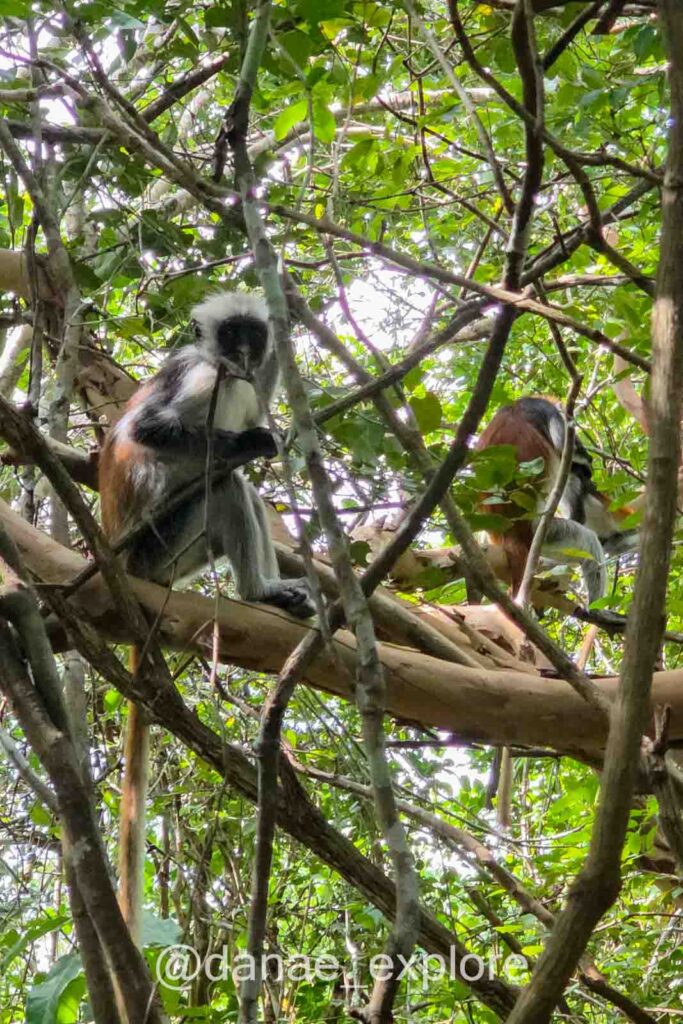
Jozani Forest, officially called Jozani Chwaka Bay National Park, is Zanzibar’s only national park and home to the island’s endemic red colobus monkey. It is located in the southwest of Zanzibar, between Stone Town and Paje. We visited with a tour while staying in Bwejuu, but it’s also easy to visit from Stone Town.
The visit is guided by an official park ranger. After paying the entrance fee, we followed flat and easy trails through the forest, looking for the famous monkeys — and saw both red colobus and black colobus. Then we moved on to another part of the park, walking along wooden walkways over the mangroves, while the guide explained the ecosystem and the plants and animals that live there.
Overall, I found it an interesting and enjoyable experience, but not an absolute must-see. If you have time, or want to do something other than the beach, it’s a great idea. The tour takes about half a day (click here for more details), and we combined it with a spice farm visit.
Spice farm
The Zanzibar archipelago is known as the “Spice Islands”, given the important role it has played (and still plays) in the global spice trade.
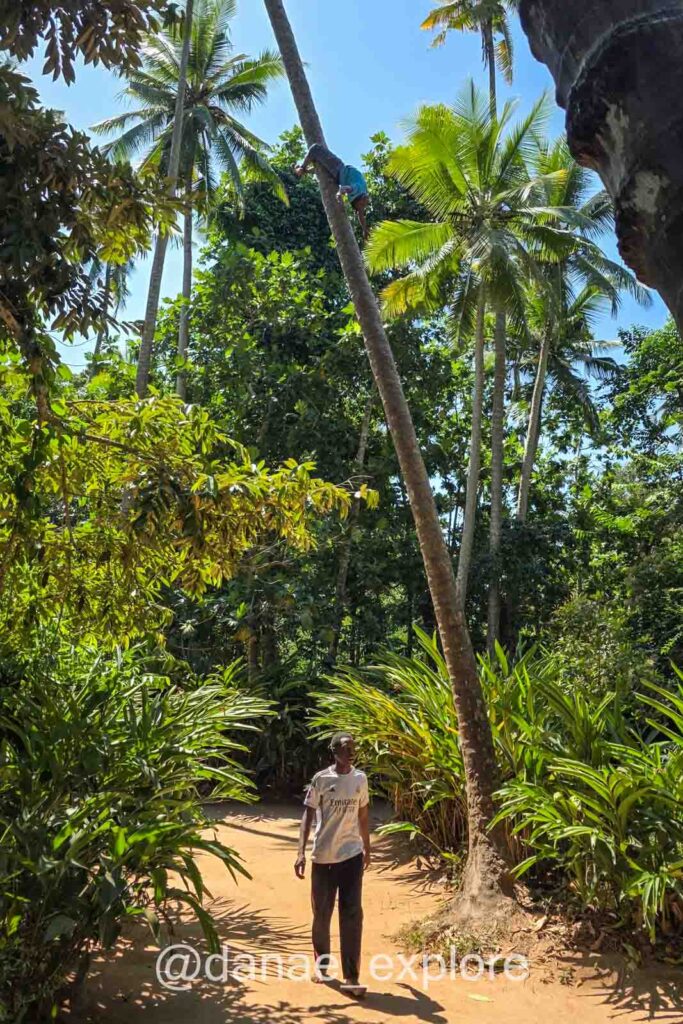
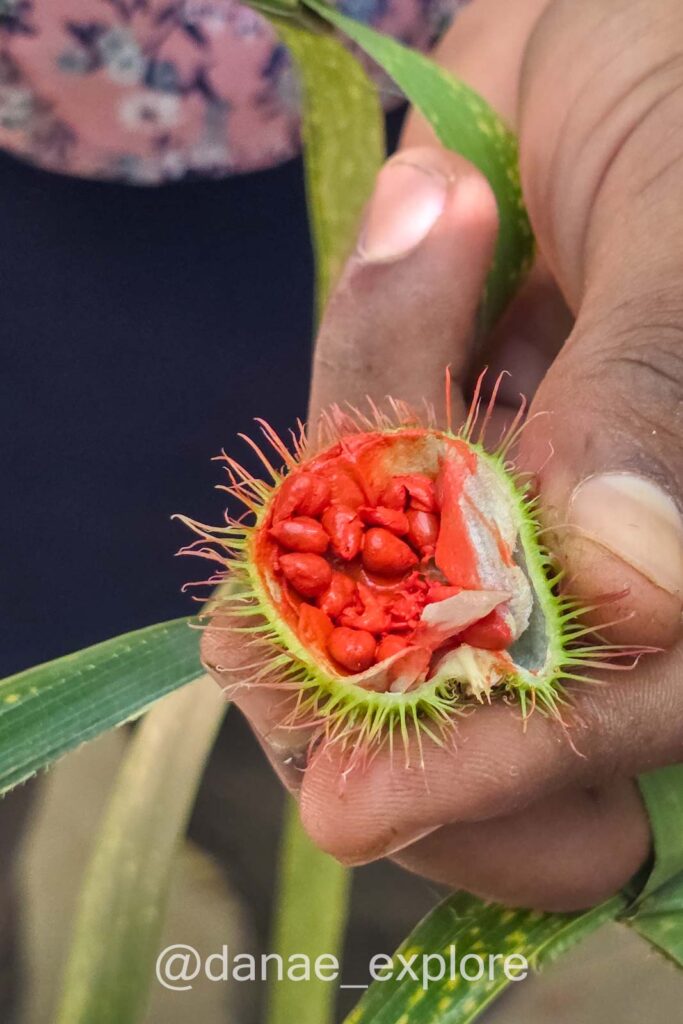
Several farms are open to visitors. We went to Shabuta Spice Farm after visiting Jozani Forest. When I booked the tour, I thought it might be a tourist trap, but I decided to give it a chance — and I ended up loving it. The visit is guided, with explanations about each spice, along with samples — it’s a profusion of smells, colors, and textures that’s impossible not to enjoy. At the end, there’s a coconut climber show and fresh coconut water. Along the way, there are two stalls: one selling cosmetics (vegetable oils, soaps, moisturizers) and the other selling spices. Needless to say, I left with quite a few in my bag.
Discover more about this combined tour, and there are also these other tour options.
Caves
There are several caves in Zanzibar, most of them concentrated on the east side of the island. The usually visited are Kuza Cave, The Cave (yes, that’s really its name), Maalum Cave, and Kurumbi Cave. We weren’t able to visit because our plans were interrupted by an emergency room visit. If you go, let me know on Instagram!
On the west side of the island there is Salaam Cave, which many tours include. There, you can swim with turtles, feed them, and even touch them. It’s not the kind of tourism I enjoy, and I was skeptical about the conservation claims. In Nungwi, across from our hotel, there was a similar establishment; for the same reasons, we decided not to visit.
.
Documentation for visiting Zanzibar
Zanzibar is an autonomous region of Tanzania, so the entry rules are the same as for mainland Tanzania, with a few additional requirements.
Visa
Most travelers require a visa to enter Tanzania. The visa can be applied for online in advance or obtained upon arrival in the country. From the information I gathered, the online process can take some time, and it’s recommended to apply two to three months before your trip. The cost is US$50 for a single-entry visa, valid for up to 90 days. If you prefer, you can also get the visa on arrival, but be prepared for long lines and a bit of bureaucracy.
It’s also important to note that your passport must be valid for at least six months from the date of entry into Tanzania.
Zanzibar-specific health insurance
In addition to the Tanzanian visa, Zanzibar requires island-specific health insurance. It can be purchased upon arrival, but I recommend getting it online in advance — it’s issued instantly after payment. The cost is US$44 per adult and US$22 per child, valid for 92 consecutive days.
Yellow fever vaccine
The yellow fever vaccine is mandatory for travelers arriving from countries with risk of yellow fever transmission, or for those who have transited through such countries (even for layovers over 12 hours).
Even if it’s not required for your nationality, I strongly recommend keeping your vaccinations up to date before traveling. Make sure you carry an official International Certificate of Vaccination (ICVP), as it may be requested at border control.
.
.
What to wear in Zanzibar
Zanzibar is a tropical island, world-famous for its beautiful beaches and endless blue sea. It is also a predominantly Muslim island: around 99% of the local population practices Islam.
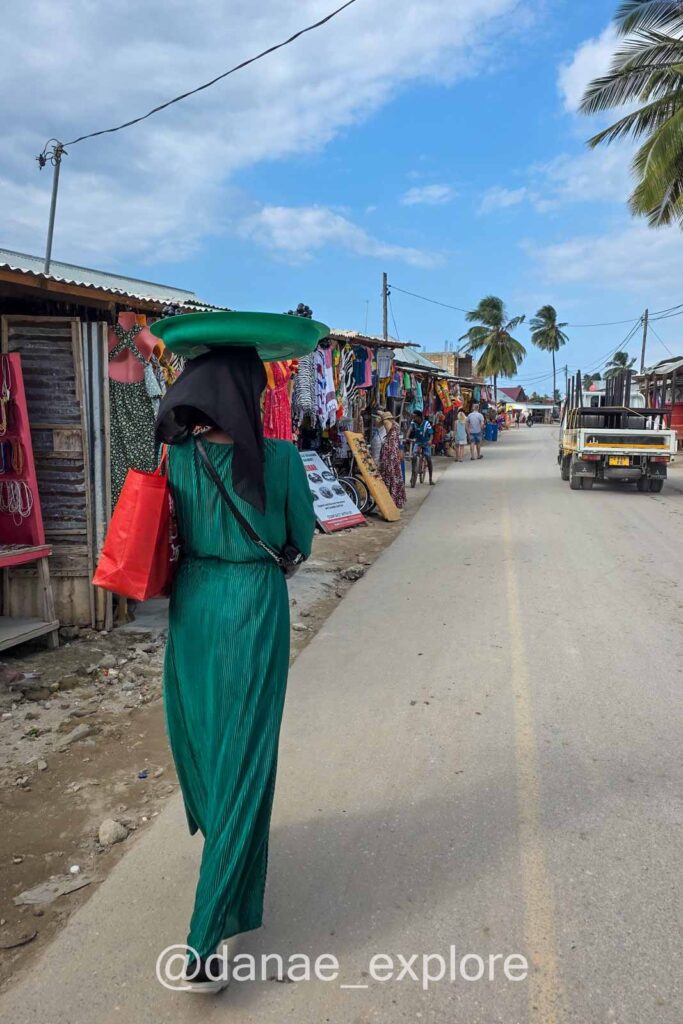
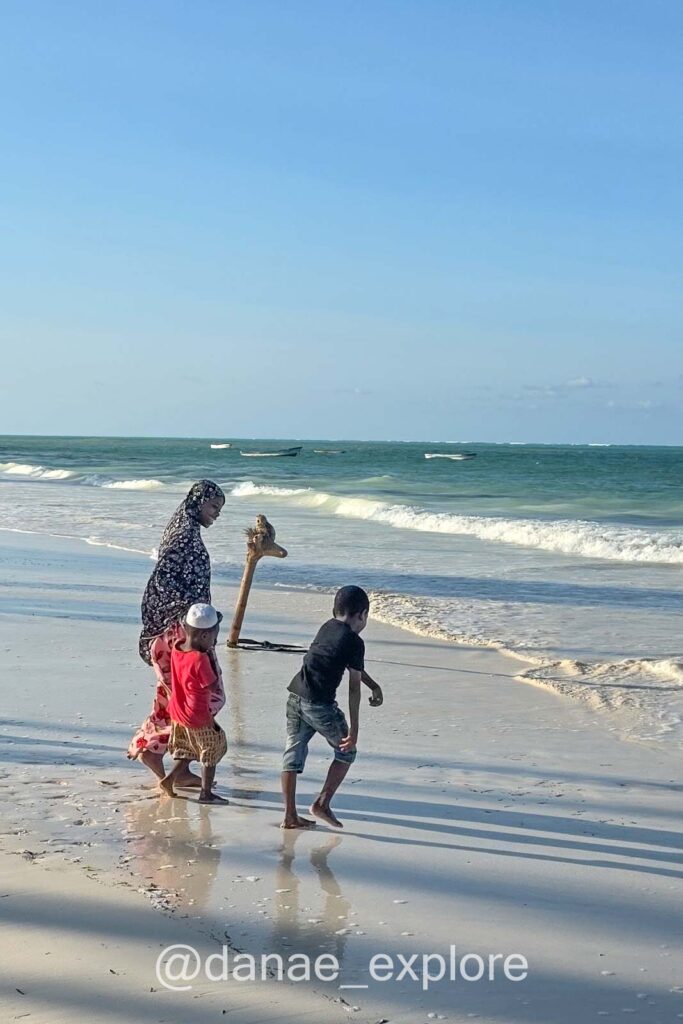
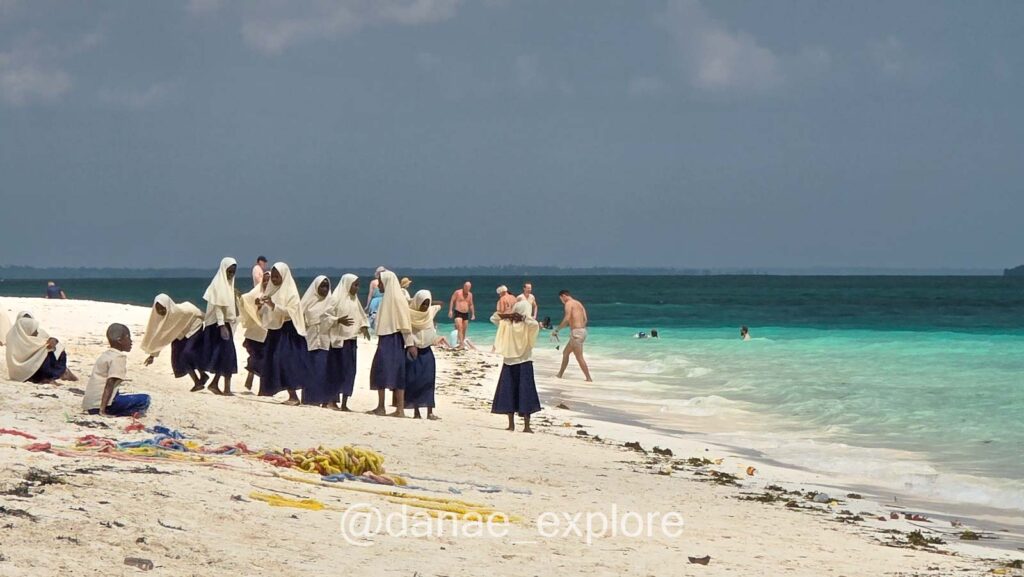
Local women dress according to Islamic traditions: their bodies are covered with loose clothing — usually a skirt and long-sleeved blouse — and their hair with a shayla (loose scarf), hijab (fitted scarf), or niqab (covering everything but the eyes). This includes when walking along the beach. I did not see any local women swimming in the sea.
That said, there are no restrictions for tourists. You can wear a bikini on the beach and shorts or tank tops in the villages. However, much like when I visited Morocco, I always try to respect local customs and dress codes. I see this as part of the cultural richness that draws me to a place. Just as I wouldn’t want to see tourists disregarding customs at home, I try not to disregard those of the communities that welcome me. I don’t travel to impose; I travel to learn.
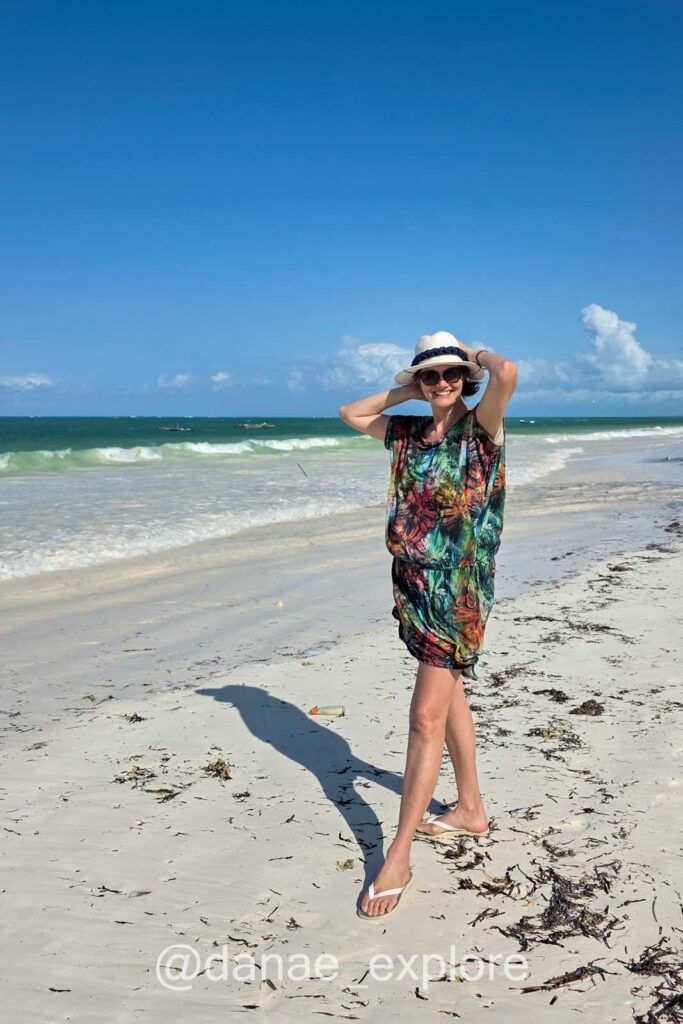
At the beach, I wore a swimsuit, but as soon as I left the sand, I covered my knees and shoulders. In Stone Town or while walking through beachside villages, I chose loose dresses with sleeves, or a long skirt with a T-shirt. I didn’t wear a headscarf. It’s possible to dress according to your own personal style in a Muslim country — it just requires a little empathy, something I’m sure all my readers already have in abundance.
For men, the expectations are much more relaxed (as usual). Still, I recommend wearing shorts (ideally knee-length) and always keeping a shirt on. Please avoid walking around shirtless outside the beach — no abs or bare bellies in the village streets.
.
What to Expect from Zanzibar – Practical Tips
Zanzibar is a multifaceted destination: Stone Town is fascinating for its history, the sea is stunning, the tours are unique, the food is delicious, and overall the prices are reasonable. The days we spent there gave us memories we’ll never forget.
That said, like every destination, there are challenges. Here are some things I wish I’d known before going to Zanzibar:
- The island’s infrastructure is limited. Outside of the luxury resorts, don’t expect anything sophisticated, especially when it comes to basic infrastructure.
- Power cuts are common. Outages can last for hours. During our stay, the power went out every single day..
- Internet is unreliable. Both Wi-Fi and mobile data are slow and unstable. If you’re planning to work remotely, Zanzibar is not the best destination..
- Bargaining is part of daily life. With the exception of restaurants and accommodations, almost everything else involves haggling. Expect to pay between one-third and half of the initial asking price, sometimes even less.
- Tipping is expected. Almost everyone you interact with will expect a tip. Personally, I don’t mind this practice — I like knowing that my money goes directly to the people providing the service, especially when they’ve gone above and beyond. But it’s important to keep this in mind when budgeting. It is important to keep this in mind when doing the math..
- Men in Masai clothing, the “Fake Masai” on the beaches.Men dressed in Masai clothing are present on many beaches, often approaching tourists and being quite persistent. Be prepared for repeated offers of souvenirs, tours, or photos.
.
I was asked on Instagram if Zanzibar is really worth visiting. My answer (and it’s saved in my profile highlights) was: “Stone Town is fascinating, the beaches are beautiful, the prices are good, and the food is great. But I think it’s only worth it if you’re already going on safari in Tanzania or Kenya, or if you really want to see Stone Town. If you’re going only for the beaches, there are other destinations that are easier to reach, just as beautiful, and often provide a smoother overall experience. For us, it was worth it. BUT I would have skipped the days we spent on the eastern coast and done something else instead — maybe a safari in Amboseli or even a stopover in Addis Ababa.”
I talked more about these alternative tours in my Kenya and Tanzania itinerary, be sure to check it out!
Complete itinerary of our trip to Kenya and Tanzania
Our sixteen-day journey through Kenya and Tanzania, combining safari in the Serengeti with beach time in Zanzibar, is detailed on the map below. Just click and save it to your Google account. When you start planning your own trip to East Africa, you’ll know exactly where to begin.
.
How to use this map: Click the menu tab in the upper left corner of the map to access different layers, including points of interest and routes. You can toggle layers on and off by checking the corresponding boxes. To see details about specific locations, click on the icons on the map.
To save this map to your Google Maps account, just click the star icon next to the map title. To access it later on your phone or computer, open Google Maps, tap the menu button, go to “Your Places”, select “Maps”, and you’ll find this map saved there.
.
All our posts about traveling in Africa:
South Africa
- 20-day South Africa itinerary, with the best of the country for your first visit
- What to do in Cape Town: 4-day itinerary with the best of the best
- South Africa: what you need to know before you visit
- Complete guide to going on safari in Kruger Park without spending a fortune!
Kenya and Tanzania
- Kenya and Tanzania Itinerary – with safari in the Serengeti and beaches in Zanzibar
- Complete guide to visiting Zanzibar: itinerary and tips
Morocco
- 10-Day Morocco itinerary: the best for your first visit to the country
- Everything you need to know about traveling to Morocco: when to go, what to wear, safety and more
Here are the websites I always use to plan my trips:
– 🛌 Accommodation: Booking
– ☀️ Tours & activities: Civitatis & Get Your Guide
– 📱 eSIM for mobile data: Airalo e-SIM – use promo code DANAE2375
– 🚗 Car rental: RentCars – use promo code DANAE
Did you enjoy these tips? Then follow me on social media:
Instagram @danae_explore
Pinterest @danaeexplore
Comments or questions? Leave a comment or, if you prefer, post them on social media.! I love to chat about travel 😉
And before you go, don’t forget to SAVE THIS PIN to your PINTEREST account for easy access to this post on what to do in Zanzibar: complete itinerary and tips whenever you need it!